
AI Takes Over: Which Jobs Are on the Chopping Block?

Artificial intelligence (AI) is rapidly becoming a prominent force in the workforce, bringing about significant changes to the way we work. While the potential benefits of AI are exciting, there are concerns about the impact it will have on jobs. In this article, we’ll examine the jobs that AI could potentially replace, look at how automation can improve the workplace, and talk about what we can do to get ready for the AI revolution.
AI Takes Over: Which Jobs Are at Risk?
One of the primary concerns surrounding AI is the possibility of it replacing jobs that are currently performed by humans. Although it is difficult to pinpoint exactly which jobs will be affected, certain industries are more vulnerable than others. Occupations that involve repetitive tasks, such as data entry or assembly line work, are more likely to be automated. On the other hand, jobs that require creativity, critical thinking, or interpersonal skills, such as teaching or nursing, are less likely to be replaced by AI.
However, it is crucial to note that AI does not necessarily pose a threat to jobs. While some positions may become obsolete, new opportunities will also emerge. For instance, there will be a high demand for AI developers and trainers as more companies adopt AI technology. Additionally, jobs that are currently undervalued or underpaid, such as caregiving or cleaning, may gain greater importance as automation grants people more free time.
The Future of Work: Embracing Automation
Although some individuals express reservations about automation, it can bring numerous benefits to the workplace. Firstly, it can enhance job safety by assuming control over hazardous or monotonous tasks. Secondly, automation can boost efficiency and productivity, enabling workers to focus on more critical responsibilities. By relieving employees of routine duties, AI allows them to harness their creativity and problem-solving skills more effectively.
Of course, concerns persist regarding the impact of automation on workers. Some worry that it might lead to job losses or exacerbate the income gap between skilled and unskilled labor. However, many experts argue that these challenges can be mitigated through investments in education and reskilling programs. By preparing workers for the jobs of the future, we can ensure that no one is left behind in the AI revolution.
Jobs That AI Is Already Doing Better
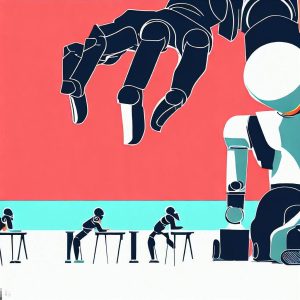
Automation brings numerous benefits to the workplace. It improves job safety, enhances efficiency and productivity, and empowers workers to utilize their creative and problem-solving abilities more effectively.
Nonetheless, concerns about the impact of automation on workers persist. Some fear that it will result in job losses or widen the income disparity between skilled and unskilled labor. However, experts assert that these issues can be addressed by investing in education and reskilling initiatives. By equipping workers with the skills they need for the future, we can navigate the AI revolution without leaving anyone behind.
The Upsides of AI in the Workforce
While some individuals worry about AI’s impact on jobs, there are numerous potential benefits to be gained. Firstly, AI can enhance overall work efficiency, leading to increased productivity and economic growth. It can also assist in solving complex problems and making better decisions by analyzing vast amounts of data. Additionally, by handling routine tasks, AI allows humans to focus on meaningful work that necessitates creativity and critical thinking.
Moreover, AI can improve workers’ quality of life by making jobs safer and reducing the need for repetitive or physically demanding tasks. It can also contribute to achieving a better work-life balance by freeing up time for hobbies, family, and leisure activities.
What Jobs Will Be Relevant in a World of AI?

As AI becomes more prevalent, some jobs will become less relevant, while others will gain greater significance. Generally, jobs that require human skills like creativity, empathy, and problem-solving are less likely to be affected by AI. These occupations include teaching, nursing, and social work. Conversely, roles that involve complex decision-making or cutting-edge technology, such as AI development and cybersecurity, are expected to become more important.
However, it is crucial to acknowledge that the future of work is uncertain and that there may be new job opportunities that we cannot currently envision. To adapt to the evolving landscape, it is essential to be flexible and adaptable in the face of change.
Preparing for the AI Revolution: Reskilling and Retraining
As AI becomes increasingly prevalent, it is vital for workers to prepare for the forthcoming changes. This may involve reskilling or retraining for occupations that are in high demand. Additionally, acquiring new skills that complement AI technology, such as data analysis or programming, can prove beneficial.
Furthermore, employers should invest in education and training programs to assist workers in adapting to the evolving workplace. By enhancing the skills of their workforce, employers can remain competitive in the AI era.
Conclusion
In conclusion, the rise of AI is transforming the nature of work, but it does not necessarily pose a threat to jobs. By embracing automation and investing in education and reskilling programs, we can ensure that workers are prepared for the jobs of the future.
While certain jobs may be replaced by AI, new opportunities will also emerge, and the potential benefits of AI in the workforce are substantial. By working together to prepare for the AI revolution, we can create a more productive, efficient, and fulfilling workplace for everyone.